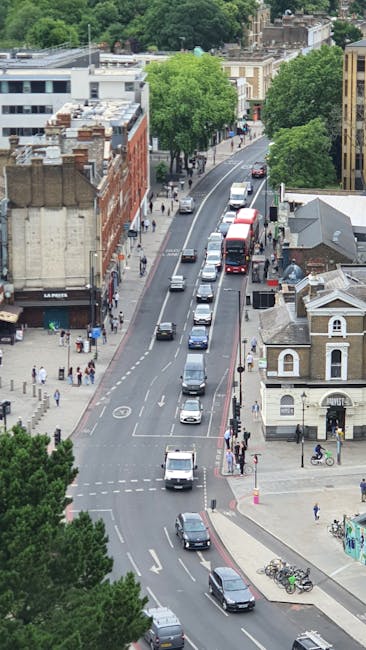
Removals parking solutions near Palmers Green station N13
If you are planning a move close to Palmers Green station, parking can become the difference between a smooth day and a slightly chaotic one. Removals parking solutions near Palmers Green station N13 are not just about finding a place to stop the van; they are about timing, access, permits, neighbour awareness, and making sure the crew can work without unnecessary delays. In a busy part of North London, that practical planning matters more than people expect.
Truth be told, most moving stress does not come from boxes. It comes from the little things: a bay that is already full, a narrow street, a delivery truck blocking the turning circle, or a lift of heavy furniture that has to be done from too far away. This guide walks through how local parking solutions work, who needs them, what to avoid, and how to make the whole thing feel manageable rather than messy.
To help you get the clearest picture, this article covers the key steps, local best practice, and real-world decision points for moves around Palmers Green station and the wider N13 area.
Why Removals parking solutions near Palmers Green station N13 Matters
Palmers Green station sits in a part of London where streets can be busy, residential parking can be tight, and access can change quickly depending on the time of day. That means a removals vehicle cannot simply arrive and assume there will be space waiting. If the van has to park far away, the move takes longer, costs more, and becomes physically harder for everyone involved. Simple as that.
Parking matters because it directly affects load time, safety, and how much lifting is needed. A removals team working from a legal, well-positioned bay can move furniture faster and with less strain. A team stuck double-parking or hunting for space can lose momentum, and momentum is everything on moving day. You feel it in the air, honestly; the job starts to drag before the first sofa is even out.
There is also the neighbour angle. Around station areas, there is often a steady flow of commuters, local traffic, and delivery vehicles. Blocking access for the wrong reasons can create friction fast. Good parking planning keeps the move efficient and keeps everyone onside, which is not a small thing when you are trying to do a large, noisy job on a normal weekday.
Expert summary: if your move is near Palmers Green station, parking is not an afterthought. It is part of the move plan. Get it right and the rest of the day tends to behave itself a lot more.
How Removals parking solutions near Palmers Green station N13 Works
In practical terms, a removals parking solution is the method used to secure legal and workable space for the van closest to the property. That may involve a paid bay, a suspension, a permit arrangement, or a carefully timed arrival when loading space is more likely to be available. The exact approach depends on the street layout, the type of vehicle, and the time of day.
For some homes, especially flats or terraced streets near the station, the challenge is not just parking the removals van. It is also about leaving room for doors to open, using ramps safely, and avoiding the awkward shuffle of carrying furniture around corners or along narrow pavements. You want the van near enough that your movers can work properly, not so far that they become a human conveyor belt across half the road.
The best approach usually starts with a quick assessment:
- Is there controlled parking on the street?
- Are there yellow lines, resident bays, or loading restrictions?
- Will the move need a suspension or temporary restriction?
- How large is the vehicle being used?
- Will the property require a second person to marshal traffic or watch access?
Sometimes the solution is straightforward. Other times, especially near busier roads and station-adjacent streets, the answer is layered: a legal bay, a good arrival window, and a clear plan for the shortest possible carry distance. That combination can save a lot of faff.
If you are comparing wider removal options too, pages like removal services and man and van can help you understand the level of support that may suit your move.
Key Benefits and Practical Advantages
The biggest benefit is time. A well-managed parking plan means the van can stop where it should, the crew can work efficiently, and the whole operation tends to feel calmer. That is especially useful if you are moving from a flat, dealing with tight staircases, or trying to avoid holding up traffic on a narrow road.
Then there is cost control. Even when a removals company charges fairly, extra walking distance and delays can increase labour time. It is not glamorous, but that is how the numbers move. Parking solutions reduce those inefficiencies, and that can make a real difference on a busy day.
Another advantage is protection. Shorter carry distances lower the risk of scuffs, dropped items, and tired handling. A sofa taken from the door to the van in a straight line is much easier to manage than one hauled around parked cars and bins. Let's face it, furniture does not enjoy improvisation.
Finally, parking planning helps with reputation and relationships. Neighbours are more likely to stay patient if the move looks organised. Building managers are more relaxed when access is controlled. And your own stress level? Usually lower. Much lower.
- Faster loading and unloading
- Better protection for bulky furniture
- Fewer parking disputes or parking-ticket risks
- Less strain on movers and household members
- Cleaner coordination with building access and lift use
Who This Is For and When It Makes Sense
This is for anyone moving near Palmers Green station who does not want the parking side of the move to become a problem. That includes flat moves, family house moves, office relocations, and single-item transport where a vehicle still needs a proper place to stop.
It makes particular sense if:
- the property is on a residential street with limited spaces
- you are moving during peak traffic or commuter hours
- the building has restricted access, a shared driveway, or no private parking
- you are using a larger van or truck rather than a small vehicle
- you are moving fragile, heavy, or awkward items that need a short carry
For office or commercial jobs, parking becomes even more important because timing is tighter and interruptions cost more. If a business move needs coordinated access, the broader planning often overlaps with commercial moves and office removals. Different job, same problem: keep the vehicle close, legal, and out of the way.
There is also a common scenario that people overlook: someone moving only a few streets away. That sounds simple until the road layout says otherwise. Short distance does not automatically mean easy access. Sometimes the tiny move is the one that needs the most parking thought. Funny, that.
Step-by-Step Guidance
Here is a practical way to plan removals parking near Palmers Green station without overcomplicating it.
- Check the street conditions early. Look at the type of parking on your road and the nearby roads. Note restrictions, bay markings, and whether the area is likely to be busy at your planned move time.
- Measure the access. Think about the vehicle size, turning room, and how far the van may need to sit from the property. A bigger vehicle may need more room than you first imagine.
- Decide whether you need a permit or suspension. Some moves can be handled with existing parking spaces. Others need a temporary solution to keep the van legally positioned near the property.
- Plan the loading route. Map the route from the front door to the van. Watch for steps, uneven pavement, locked gates, and awkward corners.
- Match timing to the area. Avoid the busiest windows where possible. Around a station, a small time shift can make parking noticeably easier.
- Brief the removal team. Tell them about narrow streets, permit issues, lifts, parking controls, and any possible delays before the job starts.
- Keep a backup option. Have a second street or alternative arrangement in mind in case the first choice is full or blocked on the day.
A good removals plan is really a chain of small decisions. Miss one link and the whole thing gets wobbly. Get them right, and it feels almost boring in the best possible way.
Expert Tips for Better Results
If you want smoother parking and fewer surprises, a few small habits help a lot.
- Choose the quietest workable time. Early mornings can help, but only if access and building rules allow it.
- Keep the load zone clear. Bins, bikes, planters, and loose items can turn a good parking spot into a clumsy one.
- Label your most urgent boxes. That reduces the number of trips and keeps the loading flow steady.
- Protect the floor route. Hallways near the entrance get scuffed quickly during heavy moves.
- Check weather and surface conditions. Rain, damp kerbs, and slippery pavements slow things down more than people expect.
One thing we often see: people focus on the van and forget the doorstep. But the first and last ten metres are where many problems start. A slightly awkward step or tight gate can matter more than a large, open road nearby. Small detail, big difference.
It is also worth speaking plainly with your movers. If there is a chance of a parking issue, say so. Nobody benefits from discovering it ten minutes after arrival. A quick conversation upfront tends to save a long one later.
Common Mistakes to Avoid
Some moving-day parking problems are very predictable. The good news is they are usually avoidable.
- Assuming space will be available. In a station area, that is often the first thing that goes wrong.
- Ignoring loading restrictions. A bay that looks convenient may not be usable at your move time.
- Booking a vehicle that is too large. Bigger is not always better if the street is tight.
- Forgetting building access rules. Some blocks have booking windows, lift protection rules, or concierge procedures.
- Leaving parking planning until the day before. That is when choices become expensive, limited, or both.
Another surprisingly common issue is underestimating how long loading takes once the vehicle is parked. If the van is not close enough, every item takes extra time. A few extra minutes per trip does not sound dramatic, but by midday you feel it. Everyone feels it.
If you need help reducing the volume of what is moved, useful support can sit alongside parking planning. For example, packing and unpacking services can shorten the loading stage, while furniture pick up can help remove items that do not need to travel with you.
Tools, Resources and Recommendations
You do not need a toolbox full of specialist gear to plan parking well, but a few practical items and documents help a lot.
- Property photos. Pictures of the front of the building, road width, and any awkward corners help a removals team assess access quickly.
- Measurements. Approximate vehicle access width, lift size, stairwell turns, and furniture dimensions all matter.
- A move-day contact list. Include the mover, building contact, and anyone who can unlock gates or confirm access.
- Clear written notes. Parking restrictions, resident bay details, and timing windows should be written down, not left to memory alone.
- Lightweight protection materials. Door protectors, blankets, and floor covers reduce friction during the short but important carry route.
For practical planning around a move, it can also help to read broader guidance on removals near me, removal companies, and pricing and quotes. Those pages help you compare service levels without guessing.
If you are sorting a local move in stages, the main company pages such as removals and man with van removal can also give you a sense of what support is available for different job sizes.
Law, Compliance, Standards, or Best Practice
Parking for removals near Palmers Green station should always be handled legally and responsibly. That sounds obvious, but on moving day people sometimes start making hurried decisions. A van blocking a live lane, a bay used outside its permitted hours, or a loading area used incorrectly can create avoidable problems.
Best practice is to follow the local parking restrictions that apply to the street, respect any resident-only controls, and make sure any temporary arrangement is approved before the move if approval is required. For buildings, follow any access rules set by the landlord, management company, or concierge. It is also wise to keep pathways clear for pedestrians and avoid leaving items where they could become a trip hazard.
From an operational point of view, good removal firms usually work in line with safety-focused handling methods. That includes sensible lifting, clear communication, use of appropriate equipment, and maintaining insurance cover that suits the job. If you are comparing providers, pages like insurance and safety and health and safety policy are worth reading because they show how a company thinks about risk, not just transport.
Best practice takeaway: if a parking plan feels rushed, it probably is. Slow down enough to check the basics. It saves more time than it costs.
Options, Methods, or Comparison Table
Different moves need different parking methods. The best option depends on your street, timing, and property type. Here is a simple comparison to make the decision easier.
| Parking option | Best for | Pros | Watch-outs |
|---|---|---|---|
| Existing on-street space | Quieter streets, low-traffic times | Simple, low-cost, quick to use | Availability can change fast |
| Loading bay or short-stay space | Short, efficient loading periods | Close access, good for fast turnarounds | Time limits may be strict |
| Temporary suspension or reserved space | Busy roads, larger moves, tighter access | More certainty on the day | Usually needs more planning |
| Off-street parking nearby | Properties with driveways or nearby private access | Can reduce disruption on the road | May still require a longer carry route |
To be fair, there is no single perfect option for every street near Palmers Green station. A terrace with narrow frontage will need a different answer from a flat with a rear service road. The point is not to chase perfection. The point is to choose the least stressful workable setup.
Case Study or Real-World Example
Imagine a two-bedroom flat move near Palmers Green station on a weekday morning. The residents have a lift, but the road outside is already busy with commuters, and the closest parking is split between resident bays and timed restrictions. At first glance, it looks annoying. Not impossible, just annoying.
The move works best when the team arrives with a clear parking plan already agreed. The van stops in a legal space as close as possible to the building, the front door is kept clear, and the most awkward pieces of furniture are loaded first while energy is highest. Boxes follow in organised waves rather than random armfuls. The entire job feels more controlled, and nobody spends twenty minutes circling for space while the kettle goes cold inside.
In that sort of scenario, the difference between good and poor parking planning can be surprisingly large. The same move, without planning, might require a second trip around the block, extra carrying distance, and more pressure on the team. With planning, it simply becomes a move. Still work, yes. But manageable work.
That is the quiet value of local knowledge: not drama, just fewer surprises.
Practical Checklist
Use this checklist before moving day. It is not fancy, but it is useful.
- Confirm the exact moving address and access point
- Check whether the street has resident bays, loading restrictions, or yellow lines
- Decide what size vehicle is appropriate
- Ask whether a permit, suspension, or booking is needed
- Measure any tight entrances, stair turns, or lift limits
- Share access instructions with the removals team
- Prepare a clear loading route from property to van
- Move bins, bikes, and obstacles out of the way in advance
- Keep building contacts and mobile numbers handy
- Have a backup parking idea if the first option is unavailable
If you can tick off most of that list early, the rest of the day usually feels much lighter. Not effortless, of course. Moving is moving. But lighter, and that counts for a lot.
Get a free quote today and see how much you can save.
Conclusion
Removals parking solutions near Palmers Green station N13 are about far more than where a van stands. They shape how fast your move happens, how safe the lifting is, how much stress everyone carries, and whether the day feels under control or a bit all over the place. The good news is that with a little planning, the parking side becomes one of the easiest parts of the job.
Focus on legality, access, timing, and carry distance. Keep your instructions clear. Choose the right vehicle. And do not leave the parking question until the last minute, because that is usually when things get expensive for no good reason. A calm move is rarely an accident.
If you are moving soon, a little preparation now can save you a long, awkward morning later. And honestly, that is a pretty fair trade.
Frequently Asked Questions
What are removals parking solutions near Palmers Green station N13?
They are the practical arrangements used to make sure a removals van can stop legally and safely close to your property. That may involve an existing space, a loading bay, a permit, or a temporary parking arrangement depending on the street and timing.
Do I need a parking permit for a house move in Palmers Green?
Not always. It depends on the road restrictions, the type of bay available, and whether local rules require a permit or suspension. Some moves can be handled with normal on-street space, while others need advance planning.
How far in advance should I sort parking for a removals van?
As early as you can. A few days may be enough for simple jobs, but busier streets or larger moves benefit from earlier planning. If your road is tight or near commuter traffic, give yourself more breathing room.
What if the parking space is full on moving day?
Have a backup plan. A second nearby street, an alternative loading point, or a revised arrival time can save the move from stalling. Good movers will usually adapt, but the key is not to discover the issue after the van arrives.
Can a removals van park on yellow lines?
Only if the local rules allow it and only for the purposes permitted by that location. Restrictions vary, so do not assume yellow lines are automatically acceptable. It is always safer to check the actual street conditions first.
Is it worth booking a smaller vehicle for a narrow road?
Often, yes. A smaller vehicle can make access easier, reduce the chance of awkward parking, and shorten loading time if it can get closer to the property. Bigger is not always better, especially around tighter residential streets.
How do parking solutions help reduce moving costs?
They reduce wasted time, extra carrying distance, and delays. Since removals are often charged by time or job complexity, efficient parking can help keep the move more predictable and less labour-heavy.
What should I tell the removals company about parking?
Tell them about road restrictions, bay types, gate codes, building access, lift rules, loading distances, and any likely pinch points. The more specific you are, the easier it is for them to plan properly.
Are parking suspensions always necessary near Palmers Green station?
No. They are useful in some situations, especially on busy or restricted streets, but many moves can be handled with a standard space or a simple loading arrangement. The right solution depends on the exact location and job size.
What is the biggest mistake people make with removals parking?
Leaving it until the last minute. Parking feels like a small detail until it causes delays, longer carry distances, or a stressful search for space. A little planning goes a long way.
Can I combine parking planning with packing services?
Yes, and that can work well. If packing is organised and labelled properly, loading becomes quicker, which makes the parking arrangement more effective too. It is one of those quiet efficiencies people notice only after the move.
Where can I find more information about move preparation and related services?
You can review practical pages such as home moves, house removals, and how Enfield Council parking suspensions affect your move for broader context and planning ideas.
Should I ask about insurance and safety before booking?
Yes. It is sensible to understand how a company handles safety, handling practices, and cover before you commit. That does not mean expecting a lecture, just clear reassurance that the job will be managed responsibly.
If you want a move that feels organised rather than improvised, start with the parking plan. It is a small decision that changes everything else, and that is often where the best moving days begin.