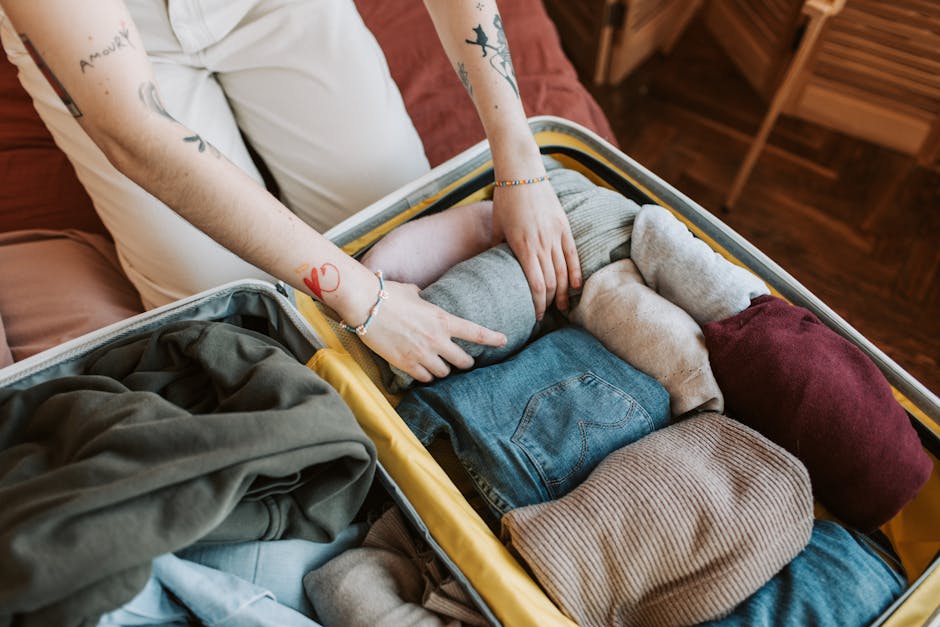
Packing tips for flats on the Palmers Green Triangle
Posted on 22/05/2026
Packing Tips for Flats on the Palmers Green Triangle: a Practical Guide for a Smoother Move
Moving out of a flat is rarely as simple as it looks on a checklist. On the Palmers Green Triangle, where homes often mean tighter hallways, shared entrances, awkward stairwells, and the usual London parking realities, packing well can make the difference between a calm move and a day that feels like it has gone slightly off the rails. Good Packing tips for flats on the Palmers Green Triangle are not just about putting things in boxes. They are about saving space, protecting fragile items, keeping access routes clear, and making loading faster when the van arrives.
If you are moving from a studio, a one-bed, or a larger flat with more furniture than you expected, this guide walks through the practical side of packing: what to pack first, how to label, what to keep separate, and how to avoid the classic last-minute scramble. It also covers the bits people forget, like lift access, breakable packaging, and where to put the kettle on moving day. Slightly mundane? Maybe. Absolutely useful? Definitely.
For readers who want extra moving context, it can help to look at streamlined packing strategies for moving houses and timesaving decluttering strategies for moving before you start. Those two guides pair well with the flat-specific advice below.
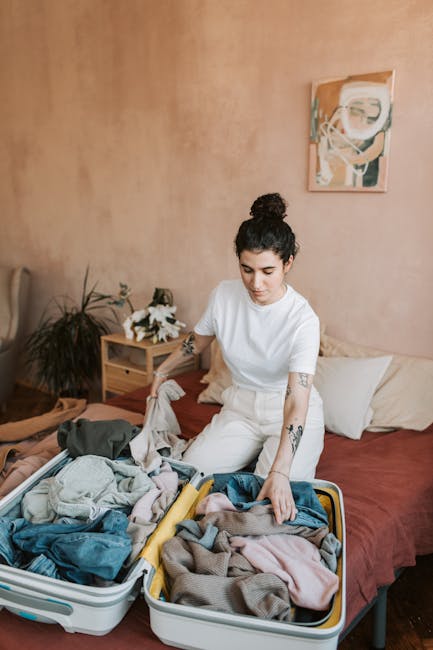
Why Packing tips for flats on the Palmers Green Triangle Matters
Flat moves bring a very specific kind of pressure. Unlike a house move, you may have less storage space, narrower access, neighbours nearby, and a fixed time window for lifts, parking, or building handover. That means packing is doing more than protecting your stuff; it is helping the entire move flow properly.
On the Palmers Green Triangle, many people are juggling everyday London constraints. Maybe your flat is on an upper floor. Maybe the staircase bends awkwardly. Maybe the van cannot park right outside. These are not disasters, but they do affect how you should pack. For example, overfilled boxes become harder to carry down stairs. Loose items slow loading. Poor labelling creates chaos at the destination. In other words, packing badly tends to echo throughout the whole move.
There is also the emotional side. A cramped flat can already make you feel like you are living inside a temporary arrangement, especially in the final week before moving. Good packing gives you a bit of breathing room. Boxes disappear in an orderly way. Surfaces clear. The place starts feeling manageable again. That matters more than people admit, to be fair.
If you are planning a move with professional help, this is also a good time to look at flat removals in Palmers Green and the wider Palmers Green removals service options, because packing and moving should work together, not as separate jobs.
How Packing tips for flats on the Palmers Green Triangle Works
The simplest way to think about flat packing is this: you are reducing clutter, grouping items by use and fragility, and preparing everything so it can be carried safely and unpacked quickly. Sounds obvious. It rarely feels obvious at 9:30pm with half a kitchen still out on the counter.
In practice, the process usually runs in four layers:
- Sort what stays, what goes, what is donated, and what needs disposal or storage.
- Pack by room or category so similar items travel together.
- Protect and label to reduce breakage and confusion.
- Stage for moving day so the first things out are the right things out.
For flats, the "stage for moving day" part is especially important. You may not have the luxury of spreading boxes through a hallway or spare room. One corner of the living room, a patch beside the sofa, or the base of a wardrobe might be all you have. That means the packing plan should include a sequence: pack the least-used items first, then move toward everyday essentials.
It also helps to prepare for the physical realities of the building. If lifts are small, pack smaller boxes. If stairs are steep, keep heavy loads manageable. If access is awkward, avoid awkwardly shaped containers that are hard to grip. A practical flat move is less about perfection and more about making life easy for whoever is carrying the box, which might be you.
Key Benefits and Practical Advantages
Good packing pays you back in several ways, and some of the benefits show up when you least expect them.
- Less breakage: Proper wrapping and sensible box loading protect glassware, lamps, mirrors, and kitchen items.
- Faster loading: Clearly packed boxes are easier to stack and carry, which can save time on the day.
- Better use of space: Flats often have little spare room, so tidy packing keeps walkways usable.
- Less stress: If you know where bedding, chargers, and toiletries are, the first night feels more human.
- Cleaner unpacking: Grouped boxes help you settle room by room instead of opening everything at once.
There is also a hidden advantage: packing properly helps you spot items you no longer need. That extra cable drawer, the duplicate frying pan, the old paperwork at the back of the shelf - suddenly it all becomes visible. A move is a great time to reset a home, not just transport it.
For furniture-heavy flats, you may also want to read furniture removals in Palmers Green. Some items are better moved separately or prepared with extra care, especially if they are awkward, bulky, or sentimental. A battered box can be replaced. A damaged table from your first flat? Not so easy.
Who This Is For and When It Makes Sense
This advice is useful for a wide range of people, but especially for anyone moving from a flat on or around the Palmers Green Triangle where access and space are limited.
- Students moving between term-time flats, house shares, or first independent homes.
- Young professionals shifting from a compact one-bed to a larger rental or shared property.
- Couples combining belongings, which is always more complicated than it sounds.
- Families in flats managing toys, bedding, food, and everyday clutter all at once.
- Long-term residents who have accumulated more than they realised.
It also makes sense if you are moving on a tight schedule. If the tenancy changeover is same-day, or you only have a small window for collection, packing must be efficient and extremely clear. In those cases, a service such as same-day removals in Palmers Green may be part of the plan, but the packing still needs to be organised or the time savings disappear very quickly.
And if you are moving with very limited help, the whole plan should be a bit more conservative. Smaller boxes. Less overfilling. More labelling. No heroics. You do not need to prove anything to a moving box. It wins every time anyway.
Step-by-Step Guidance
Here is a practical order that works well for most flats. Adjust it to suit your home, but keep the rhythm. It usually prevents the common "everything is halfway packed and nothing is finished" problem.
1. Start with a quick declutter
Before you seal a single box, sort items into keep, donate, recycle, and bin. Flat moves are easiest when you reduce volume early. If a shelf item has not been used in a year, be honest about it. The exception, of course, is the box of cables everyone keeps "just in case." That box seems immortal.
For a more focused approach, see time-saving decluttering strategies for moving. You do not need to do a full declutter of your life. Just remove enough to create movement and reduce waste.
2. Pack by room, not by mood
Random packing feels productive for about ten minutes, then becomes confusing. Packing by room keeps items grouped logically. Kitchen with kitchen. Bathroom with bathroom. Bedroom with bedroom. If you are short on time, even rough room grouping is better than mixing everything together.
One useful exception is essentials: chargers, medicines, documents, and a change of clothes should go into a separate "first night" bag or box.
3. Use the right box for the right weight
Heavier items belong in smaller boxes. Lighter, bulky items can go in larger boxes. This matters more in flats because you are often carrying boxes up and down stairs or through a tight entrance. A huge box of books is a classic mistake. It looks tidy. It is not tidy when you try to lift it.
4. Wrap fragile items carefully
Use packing paper, bubble wrap, towels, or soft linens where appropriate. Plates should stand on edge rather than lie flat if you are packing them in layers. Glasses should have cushioning inside and around them. Avoid leaving empty space; items move around in transit, and that movement causes damage.
If you want more structure on packing materials and box choices, the guide to packing and boxes in Palmers Green is a useful companion piece.
5. Label with detail, not just a room name
"Kitchen" is a start, but "Kitchen - mugs, kettle lead, tea, kettle, first use" is much better. It speeds up unpacking and helps you find essentials without opening five boxes. Put labels on the side as well as the top so they are visible when stacked.
6. Pack a first-night box
This box deserves its own planning. Include:
- Phone chargers
- Toiletries
- Toilet roll
- Medication
- Snacks and bottled water
- Basic cutlery and a mug or two
- Bedding
- One set of clothes
- Keys and important paperwork
That first evening, when the kettle is buried and your socks have gone missing, you will be very glad you planned this.
7. Prepare furniture and awkward items
Large items need extra consideration. Remove drawers where appropriate, secure loose doors, and protect corners. For beds, mattresses, and large frames, a separate plan prevents damage and helps with loading. If you need a deeper guide, this mattress-moving article is worth a look. For fragile or oversized pieces, a specialist service such as piano removals in Palmers Green can also be relevant if you have a particularly delicate or valuable item.
Expert Tips for Better Results
A few small decisions make a surprising difference. Honestly, it is the small stuff that saves the day.
- Use colour coding if you have a lot of boxes. One colour per room can be quicker than reading labels when the light is poor in a stairwell.
- Keep hardware together. Put screws, brackets, and shelf pins in labelled bags taped to the furniture they belong to.
- Photograph cable setups. Before unplugging the TV, router, or desk, take a quick picture. Future-you will appreciate it.
- Do not overpack bags. Laundry bags and tote bags are handy, but they can become oddly heavy. A zip that gives way on the landing is nobody's idea of fun.
- Pack one cupboard at a time. It prevents half-packed chaos, which is a very real moving-day state of mind.
Another useful tip: leave some airflow in boxes containing soft furnishings or items that could be squashed. For example, blankets, cushions, and throws can go into medium boxes or vacuum bags, but avoid compressing anything that needs to retain shape. If you are storing items temporarily, protecting your sofa for storage is a smart read before wrapping large upholstery pieces.
If you are moving without much help, lifting technique matters too. A couple of sensible reminders from safe kinetic lifting basics and solo lifting confidence for heavy loads can reduce strain, especially when carrying boxes through tight flat corridors.
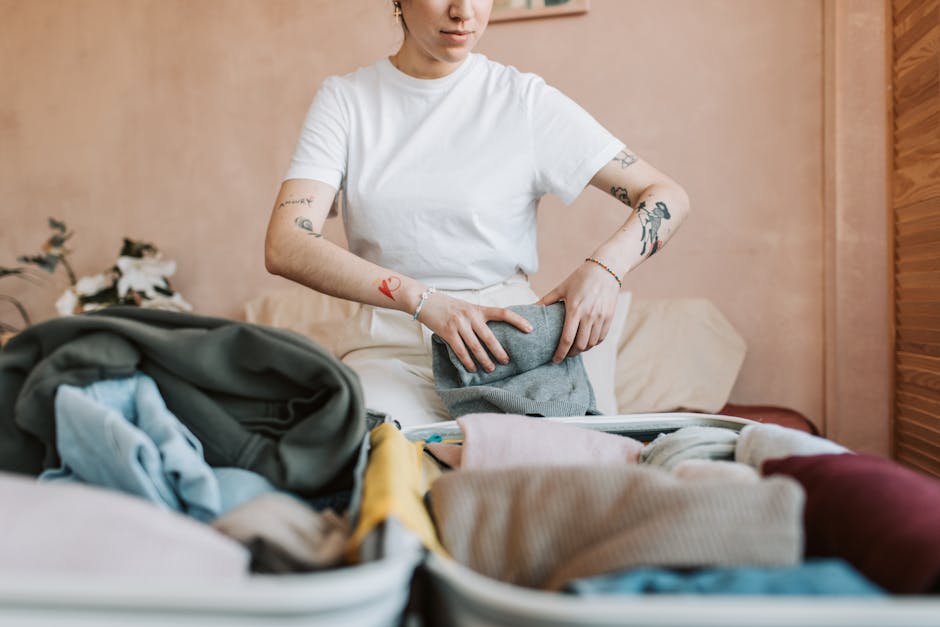
Common Mistakes to Avoid
Most packing problems are predictable. Which is both annoying and reassuring. If you know them in advance, you can avoid them.
- Using too many large boxes. They save time at first but create lifting problems later.
- Leaving packing until the last night. It almost always leads to rushed decisions and broken items.
- Packing essentials too early. You do not want to spend the first day of your move searching for the kettle lead.
- Mixing rooms freely. This makes unpacking slower and creates unnecessary confusion.
- Not protecting sharp or fragile edges. Table corners, mirror edges, and picture frames are all vulnerable in transit.
- Forgetting to check building access. Stairwell width, lift size, parking, and entry codes can all affect how the move goes.
- Ignoring rubbish and recycling. Broken boxes, old packaging, and unwanted items need a plan. If you are trying to move responsibly, recycling and sustainability information can help you dispose of things in a better way.
One more thing: do not assume every item should be packed in the same way. Books, bedding, crockery, mirrors, plants, and electronics all need different handling. It sounds obvious, yet flat moves have a way of flattening common sense along with the cardboard.
Tools, Resources and Recommendations
You do not need specialist gear for every move, but a few tools make packing far easier.
| Item | Best use | Why it helps in flats |
|---|---|---|
| Small and medium boxes | Books, kitchen items, mixed household goods | More manageable on stairs and through narrow hallways |
| Packing paper | Wrapping fragile items | Prevents scratches and reduces breakage |
| Bubble wrap | Glass, ornaments, electronics | Provides shock protection during loading |
| Marker pens and labels | Clear box identification | Speeds up unloading and room placement |
| Tape and tape gun | Sealing boxes securely | Prevents boxes opening when carried |
| Mattress cover | Bed protection | Keeps bedding clean in communal spaces |
| Blankets and furniture covers | Large furniture protection | Useful in tight hallways and shared access routes |
If you want help with the move itself rather than just the packing, a good starting point is the wider services overview. From there, you can compare practical options like man with a van in Palmers Green or man and van support in Palmers Green, depending on how much help you need.
For people moving on a tighter budget, it can also be worth asking for a clear breakdown through pricing and quotes. Not flashy, just practical. That is usually the better way.
Law, Compliance, Standards and Best Practice
Packing a flat is not heavily regulated in the way some industries are, but there are still sensible standards and expectations worth following.
First, if you live in a leasehold or managed building, check any moving rules from the building manager or landlord. There may be guidance on lift booking, protection of communal areas, noise, or parking. These are usually building rules rather than laws, but they matter on the day.
Second, if you are using professional movers, they should follow appropriate health and safety practices for lifting, carrying, and loading. That includes sensible handling of heavy items, keeping walkways clear, and using equipment properly. If you want a better sense of the approach, the pages on health and safety policy and insurance and safety are worth reviewing before booking.
Third, for valuables, documents, and personal information, use careful judgement. Passports, tenancy papers, bank letters, and similar items should stay with you rather than in the moving van. That is just good practice, and yes, it saves a lot of faffing around later.
Finally, if you are disposing of unwanted goods, use lawful recycling and responsible disposal routes. Not everything can or should be left out by the bin. A little planning helps you avoid clutter, missed collections, and unnecessary waste.
Options, Methods, or Comparison Table
There is more than one way to pack a flat, and the best method depends on time, space, and how much you can carry yourself. Here is a simple comparison.
| Method | Best for | Pros | Trade-offs |
|---|---|---|---|
| Room-by-room packing | Most flat moves | Easy to label, easy to unpack, low confusion | Can feel slow at the beginning |
| Category packing | Small flats, shared homes, mixed storage | Good for books, decor, office items, or kitchenware | Less intuitive if several people own similar items |
| Priority packing | Busy people with little free time | Focuses on essentials first | Can leave you with a messy final day if not staged carefully |
| Hybrid method | Most London flat moves | Flexible, efficient, realistic | Needs a bit of planning up front |
Truth be told, the hybrid method works best for most people. Pack by room for most items, but use categories for fragile items, paperwork, and the first-night essentials. That balance tends to keep both the move and the unpacking sane.
Case Study or Real-World Example
Imagine a two-bedroom flat near the Palmers Green Triangle with a narrow hallway, one small storage cupboard, and a staircase that makes carrying anything larger than a laundry basket a bit awkward. The residents have a sofa, a dining table, two beds, kitchenware, books, and a fair amount of "I forgot I owned this" clutter.
Instead of packing everything at once, they start with the storage cupboard and spare room. Donation bags go out early. Books are packed into small boxes. Glasses and plates are wrapped in paper and placed in medium boxes with empty spaces filled using tea towels. The mattress is covered, the bed frame is disassembled, and screws are taped into labelled bags. A first-night box is packed with bedding, chargers, toiletries, and tea bags - naturally.
On moving day, the van team can work through the flat quickly because boxes are labelled by room and weight. The hallway stays clearer. Nothing is hidden behind the wardrobe. The final load is smaller than expected because the declutter step removed things that did not need to travel. A simple process, really, but it saves both time and nerves.
If that kind of move sounds familiar, looking at flat removals support in Palmers Green alongside packing help can make the whole process feel more manageable.
Practical Checklist
Use this checklist in the final week before your move. Tick it off bit by bit; it is much easier than trying to remember everything from memory.
- Declutter each room and remove anything you no longer need
- Gather boxes, tape, labels, packing paper, and markers
- Pack non-essentials first
- Keep heavy items in smaller boxes
- Wrap fragile items individually
- Label every box with room and contents
- Pack a first-night essentials box
- Take photos of cable setups and furniture assembly
- Protect furniture, mattresses, and mirrors
- Confirm building access, parking, and lift booking if needed
- Set aside documents, keys, and valuables to keep with you
- Prepare recycling or disposal for unwanted packaging
If you are using movers, keep the final walkway clear so boxes can move out efficiently. Small detail, big difference. Every minute counts when the van is waiting outside and the kettle has not yet been found.
Conclusion
Packing a flat on the Palmers Green Triangle does not need to be chaotic. In fact, with the right structure, it can be one of the most satisfying parts of the move. You see progress quickly. Rooms open up. Decisions get clearer. And the move begins to feel like something you are steering, rather than something happening to you.
The best packing advice is usually the least dramatic: start early, keep boxes manageable, label clearly, and treat your first-night essentials as non-negotiable. Do that, and you will already be ahead of most moving-day problems. If you want the process to be easier still, pairing smart packing with the right moving support is a sensible next step.
Get a free quote today and see how much you can save.
And if there is one thing worth carrying into the next place, it is this: a good move is built one sensible box at a time.