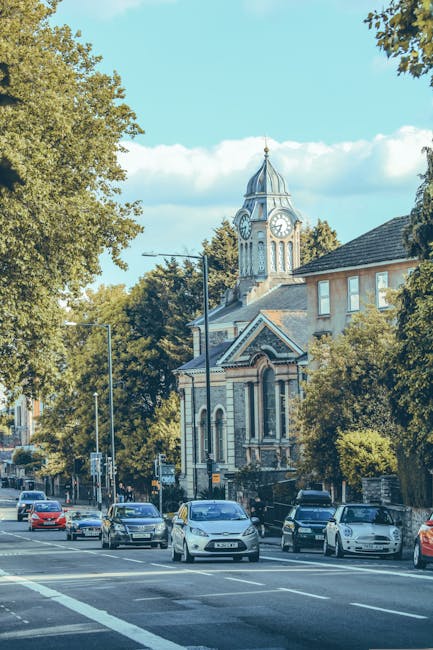
Moving House in Palmers Green? Green Lanes Street Guide
Posted on 26/05/2026
Moving home in Palmers Green is rarely just about boxes, tape and a van. If your route touches Green Lanes, you are also planning around one of the area's busiest and most practical corridors. That means thinking about timing, parking, loading space, traffic flow, building access, and how to keep the move calm when the street itself is not exactly calm. This guide is designed to help you move house in Palmers Green with fewer surprises, better preparation, and a clearer plan from start to finish.
Whether you are leaving a flat above a shop, moving into a terrace off Green Lanes, or coordinating a larger family move nearby, the details matter. A well-planned local move can save hours on the day and prevent avoidable stress. If you want a broader preparation plan alongside this street-level guide, you may also find streamlined packing strategies for moving houses and timesaving decluttering strategies for moving useful before you get to the final stages.
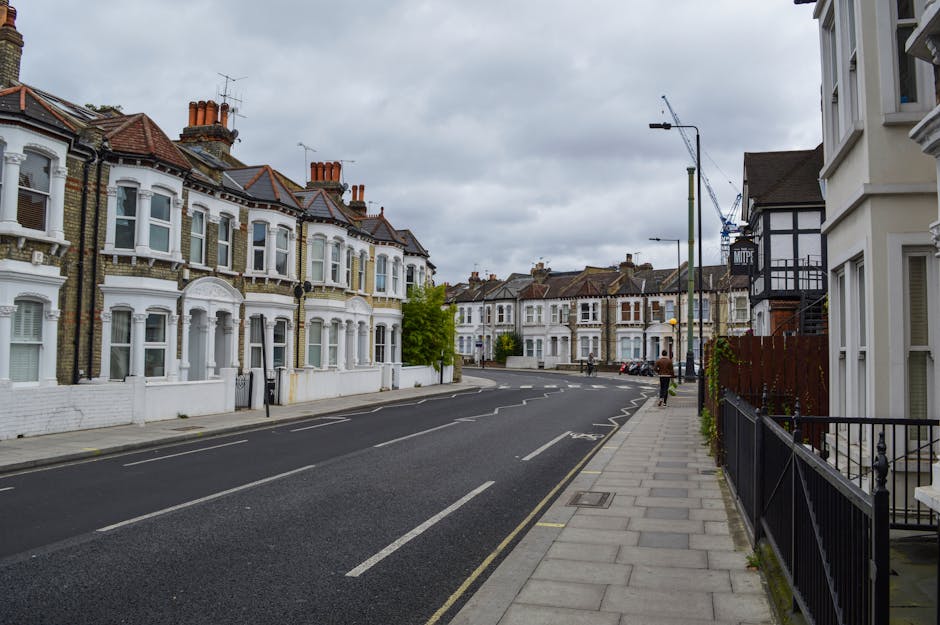
Why Moving House in Palmers Green? Green Lanes Street Guide Matters
Green Lanes is more than just a road name on a moving checklist. In practical terms, it is often the difference between a smooth loading window and a move that starts with delays, double-parking problems, or awkward access to your front door. If your home is on Green Lanes itself or on one of the surrounding residential streets, the street layout becomes part of the move strategy.
Palmers Green has a mix of property types: maisonettes, conversions, flats above retail units, family homes, and houses tucked behind busier main-road sections. Each one creates a different moving challenge. A front-facing house with a driveway is one thing. A second-floor flat above a busy parade is another. The point of a local street guide is to help you anticipate these differences so you can prepare properly, not react under pressure.
This matters because the biggest moving frustrations are usually small things: nowhere to stop, a narrow hallway, heavy furniture that will not turn the corner, or a lift that is too small for a mattress. Once you see the move through the lens of the street, the building, and the time of day, your decisions get much sharper.
There is also a trust angle here. A mover who understands local access patterns, loading risks and property types can work more efficiently and with less disruption. If you are comparing support options, a good place to start is the wider services overview, which helps you see the different types of moving help available for local homes and businesses.
How Moving House in Palmers Green? Green Lanes Street Guide Works
The simplest way to think about a Green Lanes move is this: you are not just moving possessions, you are moving through an operating environment with constraints. A sensible plan looks at the street, the building, the contents and the schedule together.
Here is the practical flow most local moves follow:
- Map the access. Identify where the vehicle can stop, how far items need to be carried, and whether there are stairs, lifts, tight turns or shared entrances.
- Sort the load. Separate large furniture, fragile items, essential boxes, and anything that needs special handling.
- Pack in the right order. Start with non-essentials, label clearly, and keep a first-night box aside.
- Choose the best moving window. In busier stretches near Green Lanes, early starts can be far easier than mid-morning or school-run hours.
- Protect the property. Use floor coverings, door protection, and the right lifting technique to avoid damage.
- Load strategically. Heavy items and awkward furniture should be placed in the van so they are stable and easy to unload in the correct order.
If you have furniture that needs careful wrapping or disassembly, it is worth reviewing expert techniques for lasting sofa storage and how to make your bed and mattress move seamless. These topics become especially relevant if you are moving from a flat or storing items temporarily before delivery.
A local move can feel simple on paper and messy in reality. The best street guide is the one that helps you spot friction early. That is how you keep the day under control.
Key Benefits and Practical Advantages
Using a street-aware approach to moving house in Palmers Green gives you a few concrete advantages.
- Less wasted time. When parking and carry distance are planned, the loading process becomes faster and more predictable.
- Lower risk of damage. Tight spaces, kerbs, stairwells and awkward doorways are where furniture gets scratched. Planning reduces those moments.
- Better timing decisions. Green Lanes traffic and local activity patterns can affect how smoothly a move runs.
- Improved safety. Heavy lifting in a cramped environment is where back injuries and dropped items happen. A better layout means safer handling.
- Less neighbour disruption. Good planning helps keep loading times shorter and reduces the chance of blocking shared access.
- Cleaner unpacking. If items are packed and labelled with your destination rooms in mind, the new home gets organised faster.
For many households, the biggest benefit is psychological. Once the route, the van, and the access plan are sorted, the move stops feeling like a mystery. You know what is happening and why. That alone can make the whole day feel lighter.
If you want to reduce the number of items that need moving in the first place, decluttering strategies for moving are worth following before you start boxing everything up. Less stuff usually means less cost, less effort and fewer complications.
Who This Is For and When It Makes Sense
This guide is useful for anyone moving in or around Palmers Green, but especially for people whose move is shaped by the realities of Green Lanes.
It is particularly relevant if you are:
- moving from a flat above shops or cafes
- dealing with limited parking or restricted stopping space
- relocating a family home with bulky furniture
- moving in a timeframe that is tight, such as the end of a tenancy
- handling valuable, fragile or awkward items
- trying to coordinate movers, keys, cleaning and handover on the same day
It also makes sense if you are moving with children, pets or work commitments. Those factors do not make the move impossible, but they do make planning more important. A street-level guide lets you factor in the real-world stuff that moving checklists often gloss over.
Students and first-time renters can also benefit. Even a smaller move can become stressful if the vehicle cannot park close enough or if lifts and corridors are smaller than expected. If that sounds familiar, a local man and van service in Palmers Green can be a practical choice for straightforward moves where flexibility matters.
Step-by-Step Guidance
1. Walk the route before moving day
If possible, stand outside the property and look at it the way a moving team would. Where can a van stop safely? Is there room to open doors fully? Are there steps from the pavement? Is there a narrow entrance, a shared hallway or a side passage that may be better for moving boxes than furniture?
This quick walk-through often reveals issues that are easy to fix in advance. Sometimes it is as simple as moving a bin, asking a neighbour not to park in a key spot, or arranging a time when the street is quieter.
2. Decide what needs special handling
Some items should be treated as separate jobs, not just "extra boxes." These include pianos, American-style fridges, large mirrors, glass tables, antique furniture and bulky wardrobes. If you have a piano, do not underestimate the logistics. A specialist option such as piano removals in Palmers Green is often the safer route than trying to improvise on the day.
For particularly heavy objects, it helps to think in terms of balance, grip, and route planning rather than raw strength. If you want the physics explained in a practical way, the article on the essentials of kinetic lifting gives a useful foundation.
3. Pack for the building you are leaving
Flat moves and house moves need different packing habits. In a flat, you may be carrying boxes through communal areas and up or down more stairs than you expected. In a house, you may have easier access but more volume overall. Either way, pack by room and label clearly. Keep essential documents, chargers, toiletries, kettle items and a change of clothes separate.
If you want a calmer process, streamlined packing strategies can help prevent the last-minute panic that everyone swears they will avoid next time.
4. Protect furniture and fragile items properly
Use blankets, wrap, corner protectors and sturdy tape where appropriate. Sofas, beds, shelving units and dining tables are all vulnerable to scuffs and bending when carried through tight spaces. Mattresses should be kept clean and dry, and they are easiest to move when they are bagged or wrapped correctly.
For delicate pieces, it is worth checking the route inside the property as well as the route outside. The turning angle at the landing can matter just as much as the width of the front door.
5. Load the van in a sensible order
Heavy, solid items usually go in first, with lighter and more fragile items placed above or around them where safe. The aim is stability. If everything shifts on the journey, you end up paying for it in time, stress and possible damage.
Think of the van like a puzzle. The best load order is not the fastest one; it is the one that keeps the cargo secure and the unloading straightforward.
6. Confirm the first-hour plan at the new address
The first hour at the new home can set the tone for the whole day. Decide where the beds go, where the kitchen boxes belong, and which item should come off the van first. If you have children, pets or work deadlines, this step is especially valuable because it gets the essentials functional sooner.
A clean start helps too. If you are still in the preparation stage, pre-move cleaning tips can help you leave the old place in better condition and settle more calmly into the new one.
Expert Tips for Better Results
A few experienced-moving habits make a surprisingly big difference on Green Lanes and the surrounding Palmers Green streets.
- Choose the quietest realistic moving window. Early starts often mean easier vehicle positioning and less street friction.
- Keep a small "access kit." Tape, marker pens, scissors, gloves, wipes, and a torch can save time when something needs sorting quickly.
- Reserve your strongest energy for the awkward items. Do not spend all your stamina on lightweight boxes at the beginning of the day.
- Use room labels, not just box numbers. A label that says "kitchen: kettle, mugs, tea, toaster" is more useful than "Box 12."
- Measure tall or bulky items before moving day. It is much easier to solve a fit problem in advance than while blocking a hallway.
- Protect the path, not just the item. Floors, corners and door frames often need more protection than people expect.
And yes, it is worth mentioning the obvious: if a piece of furniture feels wrong to carry, it probably is. A strained back is not a badge of honour. If you need a better grasp of safe solo handling, solo lifting confidence in heavy weights is a helpful read.
Expert summary: The smoother Palmers Green moves are usually not the strongest or the fastest-they are the best organised. Access first, furniture second, boxes third. That order prevents most day-of problems.

Common Mistakes to Avoid
Most moving-day issues in Palmers Green are avoidable. The trouble is that people often only see the obvious problems and miss the small ones that cause the real delay.
- Ignoring parking and loading conditions. If the van cannot stop close enough, everything takes longer.
- Overpacking boxes. A box that is too heavy is harder to move, more likely to split, and less likely to be lifted safely.
- Leaving fragile items loose. Even short journeys can cause damage if items are not protected properly.
- Not measuring furniture against the property. A sofa that fits the van may still fail at the staircase.
- Trying to do everything alone. Some items are simply better handled with help, whether from friends or professionals.
- Forgetting the handover timetable. If keys, cleaning and final checks are poorly coordinated, the move becomes rushed.
One common trap is assuming a "quick move" does not need much planning. In reality, smaller moves can become more chaotic than larger ones because people underestimate them. A couple of trips, a narrow road and one awkward wardrobe can eat the entire afternoon. Truth be told, moving rarely respects optimism.
If you are reducing clutter before the move, you may also want to look at a premove decluttering guide so you do not end up paying to move things you no longer want.
Tools, Resources and Recommendations
You do not need a warehouse full of equipment to move well, but a few practical tools make a real difference.
| Tool or resource | Why it helps | Best for |
|---|---|---|
| Sturdy boxes | Protects contents and stacks more safely in the van | Books, kitchenware, clothing, mixed household items |
| Packing tape and labels | Speeds up identification and keeps boxes closed | All household moves |
| Furniture blankets | Reduces scuffs and edge damage | Sofas, tables, wardrobes, cabinets |
| Mattress covers | Helps keep mattresses clean and dry | Beds and guest mattresses |
| Webbing or straps | Keeps larger items stable during transit | Heavy furniture and appliance moves |
| Hand truck or trolley | Reduces carrying strain | Long carry distances or bulky items |
For a full-service option, it is sensible to compare how each moving support route fits your situation. A home move with lots of furniture may lean toward house removals in Palmers Green, while a lighter move may only need a flexible vehicle-and-labour option such as man with a van in Palmers Green.
If storage is part of the picture-for example, if you are waiting on completion dates or refurbishing the new property-look at storage in Palmers Green as part of your wider move plan. It is often the difference between rushing and staying organised.
One more resource worth using is the service provider's own trust and policy information. A company that is clear on insurance and safety and health and safety policy is usually giving you a better signal about how seriously it handles the work.
Law, Compliance, Standards, or Best Practice
For a domestic move, the legal side is usually straightforward, but there are still sensible standards to respect. You should not block pavements, create unsafe loading conditions, or assume you can stop anywhere without consequence. Local parking and loading restrictions can vary, especially on busy roads and around commercial stretches, so it is wise to check before moving day rather than hope for the best.
Good movers also follow basic health and safety practice: safe lifting, load securing, clear communication, and appropriate equipment for heavy or awkward items. If a moving company is carrying your goods, it is reasonable to ask how it handles damage prevention, public liability, and route safety. That is not being difficult; it is being sensible.
There are also standards of customer care and administration worth valuing. For example, clear booking terms, transparent quoting, accessible contact information, and a usable complaints process all point to a more reliable operation. If you want to understand how a provider handles these matters, pages such as terms and conditions, payment and security and complaints procedure are worth reviewing before you commit.
For readers who want a broader sense of the company behind the service, the about us page can help you judge experience, local knowledge and approach. That kind of background detail is often more useful than a flashy promise.
Options, Methods, or Comparison Table
There is no single best moving method for everyone in Palmers Green. The right choice depends on how much you are moving, how accessible the property is, and how much help you want on the day.
| Option | Best for | Strengths | Trade-offs |
|---|---|---|---|
| DIY van hire | Experienced movers with flexible timing | Control, possible cost savings | You handle loading, route planning and lifting |
| Man and van | Small to medium moves, student moves, mixed loads | Flexible, practical, less stressful than DIY | May still require some organising on your side |
| Full house removals | Family homes, larger contents, difficult access | More support, better for heavy and complex moves | Usually more involved and structured |
| Same-day removals | Urgent or unexpected situations | Fast response, useful in time pressure | Less room for extensive prep |
For many Palmers Green residents, a hybrid approach works best. You may pack everything yourself, then use local support for loading, transport and the difficult furniture. That can be especially sensible in busy streets where efficiency matters. If the move is urgent, same-day removals in Palmers Green may be worth exploring, but only if your access and packing are already reasonably under control.
Case Study or Real-World Example
Consider a typical move from a first-floor flat just off Green Lanes to a house a short distance away in Palmers Green. The flat has a narrow stairwell, limited resident parking and a bulky sofa that does not come apart. On paper, it looks like a short, simple job. In practice, the access route is the real challenge.
The successful version of that move would usually look like this: the resident measures the sofa and stairwell in advance, packs boxes by room, separates the most fragile items, and arranges the van for the quietest part of the morning. A helper or removal team brings protective materials, loads the sofa before the heavier mix of boxes, and keeps the unloading order aligned with the new property layout.
What changes the outcome is not luck. It is sequence.
That move becomes smoother because the biggest blockers were identified early: the stairwell, the parking, and the sofa. Once those are addressed, everything else tends to fall into place. If the resident had also wanted to avoid squeezing everything into a single day, temporary storage in Palmers Green could have taken the pressure off completion timing or decorating delays.
This is the sort of move where a local, well-briefed crew or a careful man-and-van setup can outperform a rushed DIY attempt. Not because the job is huge, but because the street and property demand precision.
Practical Checklist
Use this checklist in the days before your move.
- Confirm your moving date and access times.
- Check where the van can legally and safely stop.
- Measure large furniture, stairwells, doorways and lifts.
- Book any specialist help for pianos, sofas or heavy furniture.
- Collect boxes, tape, labels, wrap and floor protection.
- Pack a first-night box with essentials.
- Label each box with room name and contents.
- Separate fragile items and valuables.
- Set aside cleaning supplies for the old and new property.
- Notify neighbours or building management if access may be affected.
- Plan the unloading order for the new address.
- Keep important documents, keys and chargers with you.
If you want a little extra structure around the packing phase, the practical advice in stress-free house packing tips is a strong companion to this street guide.
Conclusion
Moving house in Palmers Green is much easier when you treat Green Lanes as part of the job rather than a background detail. The street shape, traffic flow, access points and property type all influence how the move unfolds. Once you plan around those realities, the process becomes more manageable, more efficient and usually much calmer.
The most useful mindset is simple: prepare the route, protect the items, and make the loading order work for you. If you do those three things well, the move stops feeling like a scramble and starts feeling like a sequence you can actually control.
For local help that matches the scale of your move, it is worth reviewing your options early and choosing the level of support that fits your property, your schedule and your budget.
Get a free quote today and see how much you can save.