How Enfield Council parking suspensions affect your move
Posted on 06/07/2026
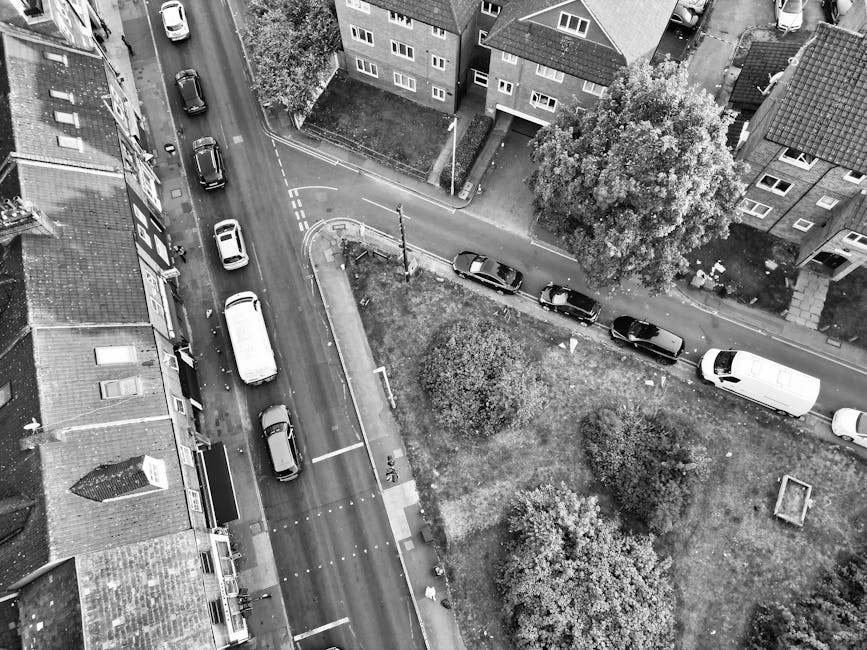
If you are moving in Enfield, parking can make or break the day. A van that cannot stop near the front door turns a straightforward move into a long carry, extra stress, and sometimes a rush to beat a suspension window. That is exactly why understanding How Enfield Council parking suspensions affect your move matters so much. It is not just a paperwork issue. It changes access, loading time, crew safety, and whether your belongings get out of the property without drama.
To be fair, most people only think about parking once the boxes are already stacked in the hallway. By then, the best options are narrower. In this guide, we will walk through what suspensions mean in practice, how they change moving day logistics, and what you can do to keep everything moving smoothly. We will also cover common mistakes, a practical checklist, and the small local details that are easy to miss until the van is already waiting outside.
Why parking suspensions matter on moving day
A parking suspension is essentially a temporary restriction on stopping or parking in a specific bay or stretch of road. In moving terms, that means the place you were planning to use for the removal van may suddenly be unavailable. When that happens, the whole shape of the move changes. The team may have to park further away, split loads, work around traffic, or wait while the road clears. None of that sounds terrible on paper. In real life, it can be the difference between a calm move and a frantic one.
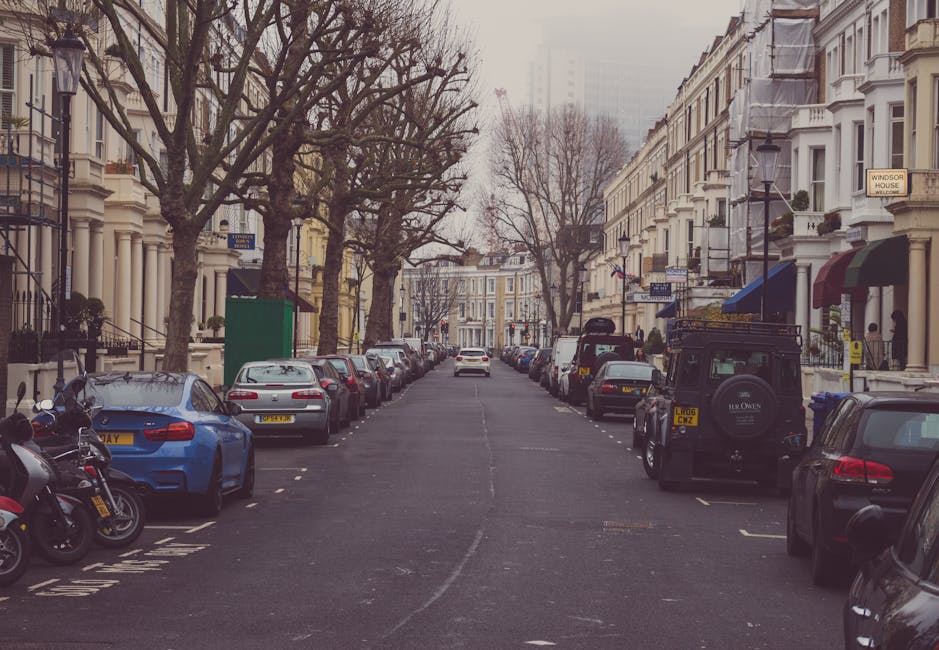
The impact is usually bigger in dense residential streets, flats with limited access, and roads where parking is already competitive. In parts of Palmers Green and wider Enfield, you can also run into narrow streets, corner restrictions, resident-only bays, or areas where loading space is tight. A suspension does not just affect the van driver. It affects how long furniture sits outside, how many trips are needed, and whether fragile items are carried safely or awkwardly over extra distance.
There is another angle too: timing. If a suspension runs only for part of the day, the moving crew may need to work within a short loading window. That sounds manageable until you remember that lifts are slow, neighbours may be using the entrance, and one stubborn sofa leg can eat ten precious minutes on its own. Yes, really.
If you are planning a home move, it helps to pair parking planning with wider preparation. Articles like how to transform your house moving process with ease and streamlined packing strategies for moving houses are useful companions here because the less time you lose indoors, the more room you have to manage the road outside.
How parking suspensions work in practice
Parking suspensions are usually arranged so that a bay, section of kerb, or part of the road is reserved for a temporary purpose. That purpose might be roadworks, utility access, scaffolding, removals, or another operational need. From a mover's point of view, the important thing is simple: if the space is suspended, you should not assume you can use it even for a quick load-out.
In practical terms, the process usually goes like this:
- A suspension is arranged for a specific date, time, and location.
- Temporary signs are placed to show the restriction and the period it applies.
- Any vehicle parked in the suspended space may be subject to enforcement.
- Moving crews have to use an alternative parking plan if the space cannot be used.
That sounds neat and tidy. The reality is sometimes messier. Signs can be missed, streets can be busier than expected, and access routes may change because of delivery vehicles, neighbours, or traffic. If your removal vehicle arrives after the suspension starts, the crew may need to find a different place to stop, then carry items farther than planned. If the property is upper-floor, that can slow the move more than most people expect.
One thing worth clarifying: a suspension is not the same as a permit bay being open for general use. If a bay is suspended, it is effectively off-limits for the period shown. Because of that, movers should always treat the suspension notice as part of the job plan, not a minor detail to sort out later.
If your move involves a flat or awkward access point, it can also help to read up on local access conditions. The guidance in best access for removals near Broomfield Park N13 and estate move access tips for Oakthorpe Road and Fox Lane gives a good sense of how nearby road layouts can affect removal planning.
Key benefits and practical advantages
When parking is planned properly around a suspension, the move usually feels calmer and more organised. That may sound obvious, but it is a big deal in practice.
- Shorter carry distance: If the van can park close to the entrance, your team spends less energy on lifting and more on efficient loading.
- Lower delay risk: A planned fallback position reduces the chance of last-minute circling or waiting for a space to open up.
- Safer handling: Furniture and boxes are easier to carry safely over a shorter distance, especially in rain or on uneven pavements.
- Less disruption to neighbours: A smoother parking setup keeps the job moving and avoids blocking entrances or fire exits for longer than needed.
- Better time control: When access is predictable, the crew can sequence the move properly instead of reacting on the fly.
There is also a commercial angle. If parking access is poor, a move may take longer than estimated. That can influence labour time, vehicle positioning, and the overall rhythm of the day. Nobody likes paying for avoidable delay, and nobody likes standing in a stairwell wondering where the van ended up. That bit is universal.
For smaller households, students, or single-room moves, parking issues can still matter a lot. They just show up differently. A tiny move can become surprisingly awkward if you are carrying several trips of boxes through a long street. In those situations, options such as student removals in Palmers Green or a man with a van in Palmers Green can be a better fit because the plan can be lighter, faster, and more flexible.
Who this is for and when it makes sense
This matters for almost anyone moving in or out of an Enfield street where parking is controlled, but some people need to think about it more carefully than others.
Home movers in terraced streets or flats
If you are in a flat above ground level, or in a terrace with limited frontage, the parking setup matters a lot. Even a few extra metres can create a real slowdown when there are wardrobes, mattresses, or boxed kitchen items to move.
Families with a full house load
More belongings means more time at kerbside. If the van cannot stay close, the team may need a second person on rotation, or a more structured load order. A suspension can be workable, but only if the plan is set early.
Office relocations
For business moves, timing can be even tighter. Office removals tend to be more schedule-sensitive, and the last thing anyone wants is a van waiting while staff are locked out of their own loading space. For that reason, office removals in Palmers Green often benefit from tighter coordination and a slightly more formal access plan.
People moving bulky or awkward items
If you have sofas, pianos, beds, wardrobes, or heavy white goods, access matters more than most people realise. A longer carry increases handling risk, especially at awkward turns or when the pavement is crowded. For those situations, piano removals in Palmers Green and furniture removals in Palmers Green are good examples of the kind of specialist support that can help when the access is not straightforward.
Anyone on a tight deadline
If you have a completion time, tenancy handover, or same-day move, parking headaches become more serious. In those cases, a backup plan is not optional. It is the whole game. Services like same day removals in Palmers Green are especially sensitive to this, because there is usually less room to recover from a delay.
Step-by-step guidance for a smoother move
Here is the practical side. If you want to reduce the impact of a parking suspension, work through the move in this order.
- Check the street early. Do not leave parking to the day before. Walk the road if you can, or have someone at the property check the exact bay or section near the entrance.
- Identify where the van can actually stop. Look for safe fallback spots nearby. A legal place that is slightly further away is better than hoping for the best and getting stuck.
- Work out carry distances. Count steps, ramps, corners, and lift access. The route matters as much as the parking bay itself.
- Tell the removal team in advance. Good movers can plan around a suspension, but only if they know about it. This is where local knowledge really pays off.
- Pack for speed and clarity. If the van can only stop for a short period, your boxes need to be ready to load quickly. The article on packing tips for flats on the Palmers Green Triangle is handy for compact properties where every minute counts.
- Move the important items first. Keep documents, keys, chargers, and day-one essentials separate so they do not get buried when time is tight.
- Confirm timing on the day. If the suspension starts at a fixed time, your arrival window should reflect that. It sounds simple. It often gets missed.
A small but helpful tip: if you are clearing the property and the road access is constrained, do not try to "save" a few minutes by overfilling boxes. Heavy, overpacked cartons are awkward to carry from a distant parking spot. That is exactly the kind of thing that makes moving feel ten times harder than it needs to be.
For the packing and load-out side, it can also help to review timesaving decluttering strategies for moving and packing and boxes in Palmers Green so that the move is lighter before the van even arrives.
Expert tips for better results
After enough moving days, one thing becomes clear: the best outcomes usually come from small, boring decisions made early. Not glamorous, but true.
- Build a buffer into your timetable. A parking suspension is not the only thing that can slow a move. Stairwells, traffic, and awkward items add up.
- Use the nearest legal alternative, not the nearest convenient one. A quick illegal stop can turn into a fine or a forced relocation of the van. That is a headache nobody needs.
- Keep bulky items grouped. If sofas, mattresses, and wardrobes are all going, plan those items together so the crew can use the suspension window efficiently.
- Protect floors and thresholds. If the van has to stop further away, the extra walking increases wear and tear indoors too. Floor protection is not just for show.
- Have one person coordinate outside. A calm pair of eyes on the pavement can spot issues early. It is a small job, but it helps a lot.
- Think about weather. Rain makes longer carries slower and more slippery. A parking suspension and a wet morning are not a charming combination, let's put it that way.
One useful local habit is to check access in relation to the property type as well as the road. A flat on a busy stretch needs a different plan from a house set back from the pavement. If you want a broader moving framework, this Green Lanes street guide for moving house in Palmers Green is a sensible read because it helps you think in terms of access, not just address.
Common mistakes to avoid
Most parking problems during a move come from simple assumptions. A few of the big ones:
- Assuming the bay will still be usable. If a suspension notice is posted, believe it. Hoping it will be ignored is not a strategy.
- Leaving the parking plan until the morning. By then, you are reacting instead of planning.
- Not checking the full carry route. It is easy to focus on the road and forget the awkward stairwell, tight gate, or steep entrance path.
- Underestimating the size of the vehicle. A small van can fit where a large removal vehicle cannot. That matters more than people expect.
- Overpacking boxes. Heavy boxes become a problem quickly when the van is not right outside.
- Ignoring nearby restrictions. Suspension signs are one thing; school-time restrictions, resident bays, and loading limits are another.
The funny thing is that many moving delays are avoidable. Not all of them, obviously. Life happens. But more often than not, the problem was visible the day before and nobody had time to deal with it. A five-minute check can save an hour of stress. Not always, but often enough to matter.
For unwanted items that you do not want to carry through a long route, consider planning disposal separately. bulky waste disposal options for Palmers Green homes and eco-friendly furniture recycling in Palmers Green are both relevant if the move is a chance to simplify rather than transport everything.
Tools, resources and recommendations
You do not need fancy equipment to deal with a parking suspension, but a few practical tools and bits of preparation help a great deal.
- A printed moving plan: useful if your phone battery is low or you want the driver and helpers to see the plan at a glance.
- Floor protection and door guards: especially helpful if items need to be carried farther than expected.
- Box labels: clear labels reduce confusion when the loading sequence has to be efficient.
- Protective covers for furniture: a longer carry increases the chance of scuffs or damp exposure.
- Backup contact list: make sure everyone involved knows who is coordinating the move.
It is also worth looking at related moving support if you need more than transport on the day. A full removal service in Palmers Green can be a better fit if access is difficult, while man and van support can suit lighter loads and shorter moves. If you need broader help comparing service levels, the services overview is a sensible place to start.
And if your move involves storage because parking access or timing makes the day messy, having a short-term fallback can take the pressure off. That is where storage in Palmers Green can be useful, especially for staged moves or late handovers.
Law, compliance and best practice
Without getting too legal about it, the safest approach is to treat parking suspensions as binding temporary restrictions. In UK moving practice, the general expectation is that vehicles must not occupy suspended space, even briefly, unless there is clear permission to do so. Because enforcement and local conditions can vary, it is wise to work on the assumption that the sign is the rule for the period shown.
Best practice in this context means a few straightforward things: check the restriction dates carefully, plan your arrival around them, use legal alternatives, and keep a record of any special access arrangements made in advance. If a building manager, landlord, or neighbour has agreed to something informally, that is not the same as a parking suspension being lifted. This is one of those areas where a friendly nod is not enough.
For movers, good compliance is also about safety. If access is awkward, crews should avoid risky lifting shortcuts just to beat the clock. That includes carrying overloaded boxes, rushing large items around corners, or blocking the pavement for longer than necessary. Our health and safety policy and insurance and safety information reflect the kind of careful approach that sensible moving work should follow.
If you are comparing providers, it is fair to ask how they handle constrained parking, what happens if access changes, and whether they include enough time for loading under a suspension. These are practical questions, not fussy ones.
Options, methods and comparison table
There is more than one way to handle a move affected by parking suspensions. The right choice depends on volume, timing, and how difficult the street is.
| Approach | Best for | Pros | Trade-offs |
|---|---|---|---|
| Park right outside, if legally available | Simple house moves with clear access | Shortest carry, fastest loading | Only works when no suspension or restriction applies |
| Use a nearby legal fallback bay | Moderate access issues | Flexible and often realistic | Longer carry time, more handling |
| Staged loading with extra crew support | Large or bulky moves | Keeps the move moving even with restricted access | Needs good coordination and may take longer |
| Smaller vehicle or split loads | Narrow streets and tight timing | Easier to position, often simpler around suspensions | May need more trips |
| Temporary storage first | Moves with awkward handover dates | Reduces pressure when parking or timing is uncertain | Extra planning and possible short-term storage cost |
There is no magic answer here. If the road is tight and the suspension is unavoidable, the best method is often the one that reduces friction, not the one that looks neat on paper. Sometimes that means more planning. Sometimes it means a different vehicle. Sometimes it means admitting the route is annoying and adjusting properly rather than pretending it is fine.
Case study or real-world example
Picture a two-bedroom flat move on a residential street in Enfield on a weekday morning. The couple has packed well, but the road outside has a parking suspension near the entrance because of access work. The original plan was to park just outside and load everything in one steady run. Easy enough, right?
Once the suspension is spotted, the team shifts to a nearby legal space further down the road. That adds a bit of walking, which means the loaders change their sequence. Softer items and boxes go first, then the larger furniture comes out once the route is clear. The mattress and dining chairs are wrapped before they leave the flat, because the extra carry distance makes protection more important. Not dramatic. Just sensible.
The move still takes place smoothly, but the day feels different. There is less room for guessing, more need for coordination, and a clearer division of roles. One person watches the outside access while the other keeps the interior moving. That small change prevents bottlenecks at the door. By early afternoon, the flat is cleared and the van is away without any parking fuss.
In our experience, that is the pattern most often: parking suspensions do not ruin a move, but they do punish poor preparation. A prepared move usually absorbs the inconvenience. An unprepared one, well, it can get sticky fast.

Practical checklist
Use this checklist before moving day if you know parking may be restricted.
- Check whether a suspension is in place for your street or bay.
- Confirm the exact date and time the restriction starts and ends.
- Identify at least one legal fallback parking spot nearby.
- Measure the carry route from fallback parking to the property.
- Tell your removal team about any access limits in advance.
- Keep fragile and essential items separate and easy to reach.
- Label boxes clearly so loading can happen in the right order.
- Protect furniture for longer carries and weather exposure.
- Leave a buffer in the schedule for traffic or access delays.
- Confirm who will coordinate outside on the day.
If you want a little extra peace of mind, read through late-notice move support in Palmers Green as well. Even if your move is not last-minute, the planning mindset is useful. It is all about reducing stress before the boxes start shifting.
Conclusion
Parking suspensions can feel like a small detail until they start affecting the whole move. Then they become very real, very quickly. The good news is that most of the disruption is manageable with early checking, clear communication, and a simple backup plan. If you understand how the suspension changes access, you can plan a move that stays calm, safe, and much less chaotic than it might otherwise be.
So if you are moving in Enfield, do not treat parking as an afterthought. Treat it as part of the moving plan from the start. That one decision can save time, protect your belongings, and make the day feel far more under control. And honestly, that is what most people are really after.
Get a free quote today and see how much you can save.