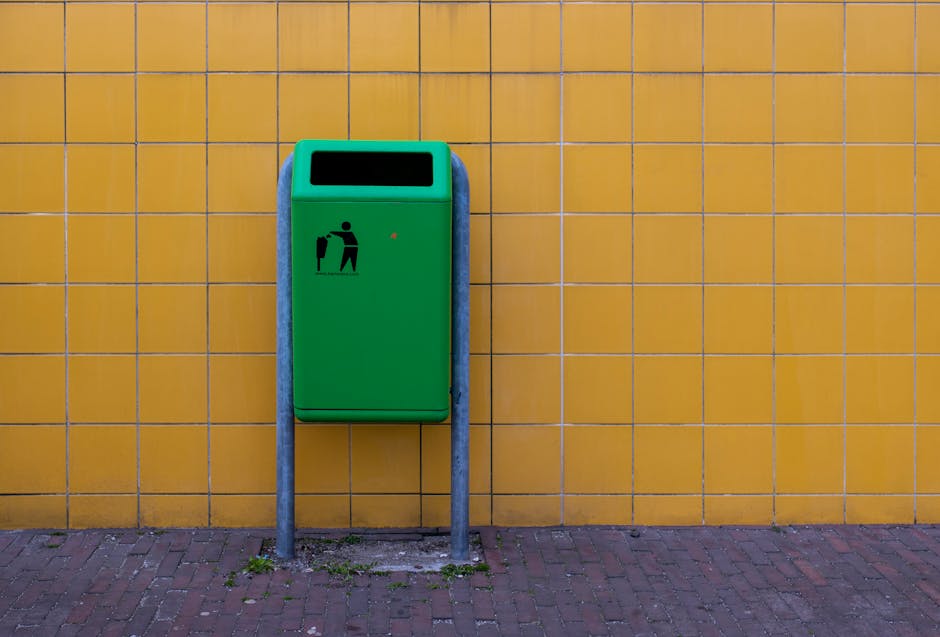
Bulky waste disposal options for Palmers Green homes
Posted on 02/06/2026
If you have an old sofa blocking the hallway, a cracked wardrobe in the spare room, or a mattress that has seen one winter too many, you are not alone. Bulky waste disposal options for Palmers Green homes can feel surprisingly complicated once you start actually moving the items. There is the size of the object, the weight, the stairs, the parking, the timing, and then the question nobody wants to deal with: where does it all go now?
This guide breaks the problem down in plain English. You will see the main disposal routes available to local households, how each one works, when it makes sense, and the mistakes that tend to cost people time, money, or a sore back. A bit of planning goes a long way here. Truth be told, bulky waste is often easier to sort out before it becomes an emergency.
For readers who are also preparing a move, declutter, or clearance, a few related guides can help keep the process tidy and less frantic, including time-saving decluttering strategies for moving and practical pre-move cleaning ideas. They fit neatly with the decisions you make about large items.
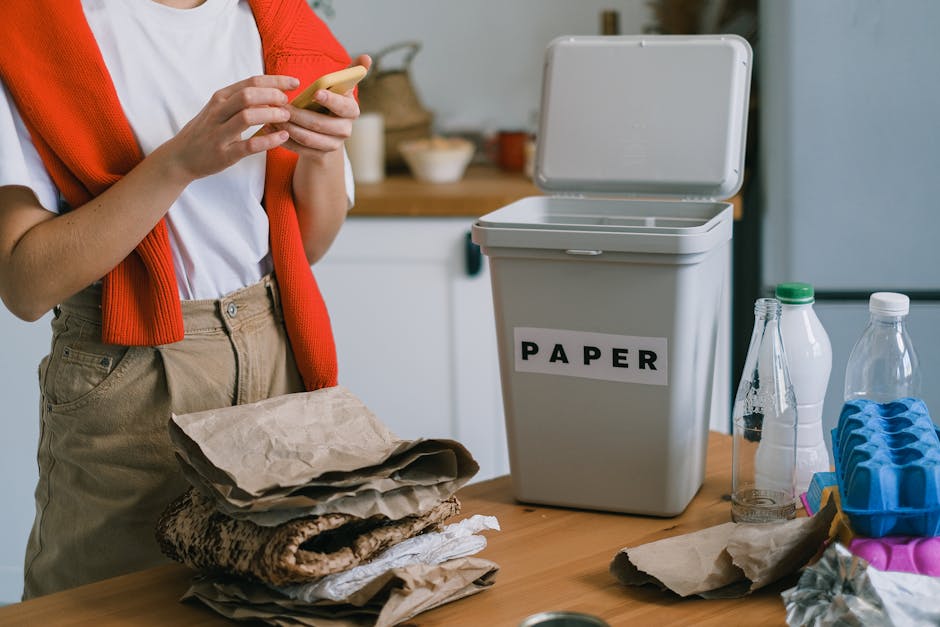
Why bulky waste disposal options for Palmers Green homes Matters
Bulky waste is any household item that is too large, awkward, or heavy for normal bin collections. In a Palmers Green home, that usually means furniture, mattresses, old appliances, carpets, desks, exercise equipment, garden furniture, and the odd mystery item that has been living in the loft since the late 90s. You know the sort.
The reason this matters is not just convenience. Large waste items can create safety risks in hallways, clutter up flats, block access routes, and make cleaning or moving much harder than it should be. A bulky item left in a small London property can also become a trip hazard or slow down a removal day at the exact moment you need the place clear.
There is also the environmental side. Some bulky items can be reused, repaired, or broken down for recycling. Others need specialist handling because of materials, contamination, or simply their size. If you choose the wrong route, the item may end up costing more to remove than it should, or worse, may not be dealt with properly at all.
For many Palmers Green households, the question is not whether to clear bulky waste. It is how to do it in a way that is safe, practical, and not absurdly stressful. That is the real job.
How bulky waste disposal options for Palmers Green homes Works
In practice, bulky waste disposal usually follows one of a few routes. The right choice depends on what the item is, how much you have, how quickly it needs to go, and whether the item can be reused or needs specialist handling.
1. Council bulky waste collection
Many households start here. A council collection is typically arranged in advance, with rules on what can be collected, how items must be prepared, and where they should be left. This route can work well for straightforward household furniture or white goods, especially if you only have one or two items and you are not in a rush.
The catch? Availability, collection timing, and item limits can vary. If your item is heavy, awkward, or on an upper floor with no lift, you may need to move it yourself to a ground-floor collection point. That is where planning matters.
2. Private bulky waste removal
A private removal or clearance service is often the most flexible option. The team collects items from inside the property, handles awkward lifting, and can take multiple items in one visit. This is especially useful for flats, maisonettes, house clearances, or homes with limited parking and narrow access.
If your bulky waste is linked to a move, a dedicated service can be even more efficient. For example, a local removals service in Palmers Green can often combine furniture handling, loading support, and disposal planning in one smoother process. That tends to save time and reduce repeated lifting.
3. Reuse, donation, or resale
Not every bulky item needs to be treated as waste. If the sofa is clean, the table is sturdy, or the wardrobe is still usable, you may be able to pass it on. This is the ideal scenario for items that are structurally sound and worth someone else's space. Let's face it, a lot of furniture is only "waste" because it no longer suits your home.
4. Direct transport to a waste facility or recycling route
Some households choose to move bulky waste themselves, usually with a van or helper. This can be practical for smaller loads, but it becomes awkward quickly if the item is heavy or you are dealing with stairs, rain, or soft furnishings that are more unwieldy than they look. A lot of people underestimate a sofa. It is bigger on the staircase than it was in the living room. Somehow.
5. Same-day or urgent collection
If you are between tenants, clearing before a sale, or dealing with a last-minute move, an urgent collection can be a lifesaver. Services such as same-day removals in Palmers Green are useful when time is tight and the property needs to be clear fast.
Key Benefits and Practical Advantages
Choosing the right bulky waste disposal method is not just about getting rid of things. It changes the feel of the whole project.
- Less physical strain: The biggest win is often not having to drag heavy items downstairs yourself.
- Faster room clearance: One bulky item can dominate a room. Remove it and the space suddenly feels usable again.
- Better move preparation: Fewer items to move means fewer boxes, fewer wrapping materials, and less chaos on the day.
- Lower damage risk: Heavy furniture can scratch floors, dent walls, and damage door frames if handled badly.
- Better sorting: Disposal planning gives you a chance to decide what can be reused, stored, or recycled.
- Reduced stress: Simple, obvious point, but important. The mental load drops when the big items have a plan.
There is also a financial angle. Handling bulky waste properly before a move can prevent the kind of last-minute scrambling that leads to extra van trips, rushed labour, or storage costs. If a piece still has value or use, it may be worth keeping it out of the waste stream altogether. A sofa in storage, for example, might need proper protection rather than disposal. If that is your situation, these sofa storage protection tips are worth a look before you make a final call.
Who This Is For and When It Makes Sense
Bulky waste disposal options for Palmers Green homes are relevant to more people than you might think. It is not just end-of-tenancy clear-outs or full house moves.
Homeowners refreshing a room
If you are replacing a bed, wardrobe, bookcase, or old sofa, you may need a quick, tidy way to remove the old piece before the new one arrives. That avoids the classic "two sofas in one room" problem. Charming for a day. Less charming after that.
Tenants and renters
When moving out of a flat, bulky waste can be the thing that holds up your handover. A damaged mattress, a broken chair, or a scratched chest of drawers can feel like a minor issue, until you are trying to get keys back on time. If your place is a flat with awkward access, the planning matters even more. You may find flat removals in Palmers Green useful if disposal and moving are happening together.
Families making space
Families often accumulate bulky items slowly: a cot, a spare mattress, a bunk bed, old garden furniture, toys that are too large for normal bins. The home starts to feel full in a way that is hard to name. Removing just a few oversized items can create a much calmer space.
Landlords and property managers
When a property is turned over between occupants, bulky waste may need clearing quickly and responsibly. The priority is usually speed, consistency, and keeping the property presentable for cleaning or maintenance.
Older residents or anyone avoiding heavy lifting
To be fair, not everyone should be lifting a heavy wardrobe down a staircase. If the item is too bulky, too slippery, or just too much for one person, it is sensible to use help. That is not over-cautious. It is smart.
Step-by-Step Guidance
If you want a smoother process, break it down before anyone starts lifting. Here is a practical sequence that works well for most Palmers Green homes.
- Identify the items. List everything that needs to go. Include furniture, mattresses, appliances, and anything hidden in cupboards, lofts, or sheds.
- Check what can be reused. Ask whether the item is in usable condition. If it is, donation or resale may make more sense than disposal.
- Measure access. Note stair widths, door frames, hallway turns, lifts, and parking access. A lot of bulky waste problems are really access problems.
- Separate special items. Some items need extra caution, such as fridges, freezers, or anything with glass, wiring, or trapped liquids.
- Choose the disposal route. Decide between council collection, private collection, van transport, or reuse.
- Prepare the item. Remove loose contents, detach legs if possible, tape down doors, and bag smaller parts.
- Set the collection point. If items are to be left outside, ensure they are accessible and not blocking neighbours, pavements, or exits.
- Protect the property. Lay blankets or covers where needed. A few minutes here can prevent a frustrating scuff later.
- Confirm timing. Make sure the collection or lift-out happens before cleaners, decorators, movers, or new furniture arrives.
- Dispose responsibly. Ask what happens to the item next. Reuse first, recycling where possible, landfill only where necessary.
If you are already in the middle of a move, the process becomes simpler when disposal is tied to the rest of the packing plan. Our own experience is that the least stressful households are the ones that clear, pack, and dispose in one steady sequence instead of leaving the big objects until last. A bit like doing washing up while cooking, rather than facing a mountain after dinner. Nobody enjoys the mountain.
Expert Tips for Better Results
Here are the details that tend to make the biggest difference in real homes.
Match the method to the item, not just the price
A cheap option is not cheap if it means extra labour, damage, or multiple trips. A solid wardrobe may need two people and proper wrapping. A dismantled table may not. Use common sense and avoid forcing the wrong solution.
Take access seriously
Palmers Green homes can vary a lot, from maisonettes and converted flats to terraced houses with tight hallways. If the item has to pass through a narrow turn or down steep stairs, that changes the whole approach. This is where local knowledge helps. For more on tricky entry points and the sort of planning that prevents a messy day, see best access for removals near Broomfield Park and estate move access tips for Oakthorpe Road and Fox Lane.
Get rid of the small stuff first
Drawers, shelves, cushions, loose screws, and side panels slow everything down. If you empty and dismantle in advance, the item becomes easier to move and safer to handle. Plus, you are less likely to hear that awful tiny clatter of screws rolling under a radiator. We have all been there.
Use the move as a decluttering checkpoint
Not sure whether to keep something? If it has not been used in years and you would not buy it again today, that is usually a sign. The streamlined packing guide can help you sort what stays and what goes without turning the house upside down.
Keep recycling in mind before disposal
If an item has mixed materials, separate what you can. A wooden frame, metal fixings, and fabric upholstery may be handled differently. Even if you are not doing the sorting yourself, asking the question helps ensure a cleaner outcome. For more on the company's wider approach, the recycling and sustainability information is a sensible reference point.
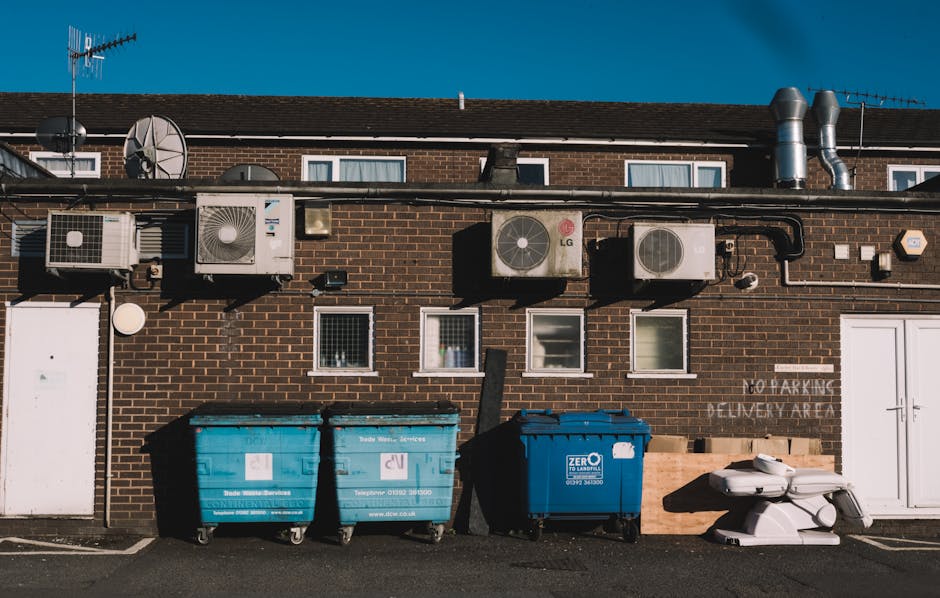
Common Mistakes to Avoid
People usually do not get bulky waste wrong because they are careless. They get it wrong because the item looked manageable until it was in the hallway. Here are the usual trouble spots.
- Leaving everything until the last day: That is how a calm job becomes a scramble.
- Underestimating weight: A chest of drawers can look innocent and still be terrible to move.
- Forgetting access details: Narrow stairs and limited parking change everything.
- Mixing waste types together: Not every item should be loaded or treated the same way.
- Ignoring disassembly: Removing legs or shelves can make a big object much more manageable.
- Blocking shared spaces: In flats, this creates problems for neighbours and can delay collection.
- Skipping protection: Floors, banisters, and door edges are easy to damage when the item is awkward.
- Choosing a method that does not suit the time available: If you need speed, plan for speed from the beginning.
A small but common mistake is assuming the disposal plan is separate from the moving plan. It usually is not. If you are moving furniture, checking furniture removals in Palmers Green can help you think about clearance, handling, and transport as one connected job.
Tools, Resources and Recommendations
You do not need specialist equipment for every situation, but the right basics make a huge difference.
- Work gloves: Good for grip and hand protection.
- Strong tape: Helpful for securing doors, drawers, and loose parts.
- Furniture blankets or old quilts: Useful for protecting finishes and walls.
- Ratchet straps or rope: Only if you know how to secure items safely in transit.
- Basic screwdriver or Allen keys: Ideal for dismantling tables, beds, or shelving.
- Labels or sticky notes: Handy for marking parts and keeping screws together.
- Packaging materials: If you are removing items as part of a larger move, the packing and boxes service in Palmers Green can be useful alongside disposal planning.
On the resource side, it helps to use trustworthy, local pages that explain how removals and clearance fit into the wider moving process. The services overview and removal services in Palmers Green pages are good starting points if you want a broader picture before deciding what to do with the bulky items.
If you are comparing providers, the pricing and quotes page is useful for understanding how jobs are usually approached. And if you are at the stage where one strong helper is all you need, man with a van in Palmers Green and man and van support in Palmers Green can suit smaller, simpler clearances.
Law, Compliance, Standards, and Best Practice
Bulky waste disposal sits within normal household duty-of-care expectations in the UK. In plain terms, that means you should take reasonable care that your waste is handled by a legitimate route and does not create a nuisance, obstruction, or unsafe pile-up outside your home.
For homeowners and tenants in Palmers Green, the safest best practice is simple:
- use a reputable collection route;
- keep proof of arrangement where sensible;
- do not leave items where they block pavements, fire exits, or shared access;
- separate reusable items from true waste if possible;
- ask how specialist items are handled.
If you are using a private company, it is wise to check that they explain their process clearly, including loading, transport, and disposal or recycling routes. A professional provider should also be upfront about insurance, handling expectations, and what happens if access is difficult. That kind of clarity is part of good practice, not a luxury.
Safety matters too. Heavy lifting without the right technique can lead to injury, and trying to twist or carry an awkward item alone is a classic way to make a bad day worse. If you want a better sense of moving mechanics, the guides on kinetic lifting basics and safe solo lifting confidence give a useful sense of the body mechanics involved.
Finally, if an item is valuable or sentimental, pause before disposing of it. Sometimes storage or careful relocation is the better answer. For large fragile items, such as pianos, a specialist route is more appropriate than ordinary clearance. The page on piano removals in Palmers Green shows how specialist handling differs from standard waste collection.
Options, Methods, and Comparison Table
Here is a practical comparison of the most common bulky waste disposal methods for Palmers Green homes.
| Method | Best for | Main advantage | Main limitation |
|---|---|---|---|
| Council bulky collection | One-off household items | Simple for standard loads | May require advance booking and specific prep |
| Private clearance service | Flats, larger loads, awkward items | Flexible, quick, often collected from inside the property | Usually costs more than self-managed options |
| Reuse or donation | Usable furniture and appliances | Best environmental outcome | Item must be in decent condition |
| Self-transport to a waste facility | Small, manageable loads | Can be efficient if you already have transport | Heavy lifting, time, and transport risks |
| Same-day removal | Urgent clearances | Fast turnaround | May not be the cheapest option |
For many local households, the best option is not just one method. It is a combination. For example, you might donate one usable chair, arrange a same-day collection for the broken wardrobe, and keep a mattress in place until the moving van arrives. That kind of mixed approach is often the most realistic.
Case Study or Real-World Example
Picture a two-bed flat in Palmers Green with a narrow stairwell, a bulky sofa, an old mattress, and a broken desk. The resident is moving out on Friday morning, cleaners are booked for Thursday evening, and the parking space outside is tight. Very ordinary situation. Very easy for it to become messy.
In a case like this, the smartest approach would usually be to start with sorting. The desk might be reusable if a friend or neighbour wants it. The mattress probably needs disposal. The sofa may need careful handling because it is too large for the staircase unless it is partially dismantled or taken out by trained movers.
A practical plan would look like this:
- decide which items are waste and which can be kept, sold, or passed on;
- measure the sofa and check the access route before moving day;
- book a collection or removal slot that fits around cleaning and key handover;
- protect floors and corners before any item is moved;
- remove the bulky waste before final cleaning so dust and debris are not left behind.
In our experience, this kind of staged plan saves more stress than people expect. It also tends to reduce damage. A last-minute rush with a sofa down a tight stairwell is where banisters get knocked and tempers fray. Nobody needs that at 7:30 in the morning.
Practical Checklist
Use this checklist before your bulky waste collection or clearance day.
- List every bulky item that needs to go.
- Check if any item can be reused, sold, or donated.
- Measure doors, stairs, and hallways.
- Confirm parking or access arrangements.
- Remove loose contents and small parts.
- Dismantle items where possible.
- Protect floors, walls, and corners.
- Keep children and pets away from the route.
- Separate special items such as glass or electrical goods.
- Make sure the collection time fits the rest of your schedule.
- Have a backup plan if access turns out to be tighter than expected.
Quick expert summary: the best bulky waste disposal option is the one that matches the item, the access, and the timing. If any of those three are off, the job usually feels harder than it needs to. Sort early, lift carefully, and do not be afraid to ask for help. That is often the difference between a stressful day and a tidy one.
Get a free quote today and see how much you can save.
Conclusion
Bulky waste does not need to dominate your week. For Palmers Green homes, the right disposal option depends on what you have, how quickly it must go, and whether the item is truly waste or still useful to someone else. Council collection, private removal, reuse, and same-day support all have a place.
The main thing is to make the decision early. That gives you time to measure access, separate reusable pieces, protect the property, and avoid rushed lifting. If you are moving, decluttering, or preparing a flat for handover, it is usually best to fold bulky waste into the wider plan rather than treating it as an afterthought.
Handle the big items properly, and the rest of the job starts to feel lighter. A bit lighter, anyway.